
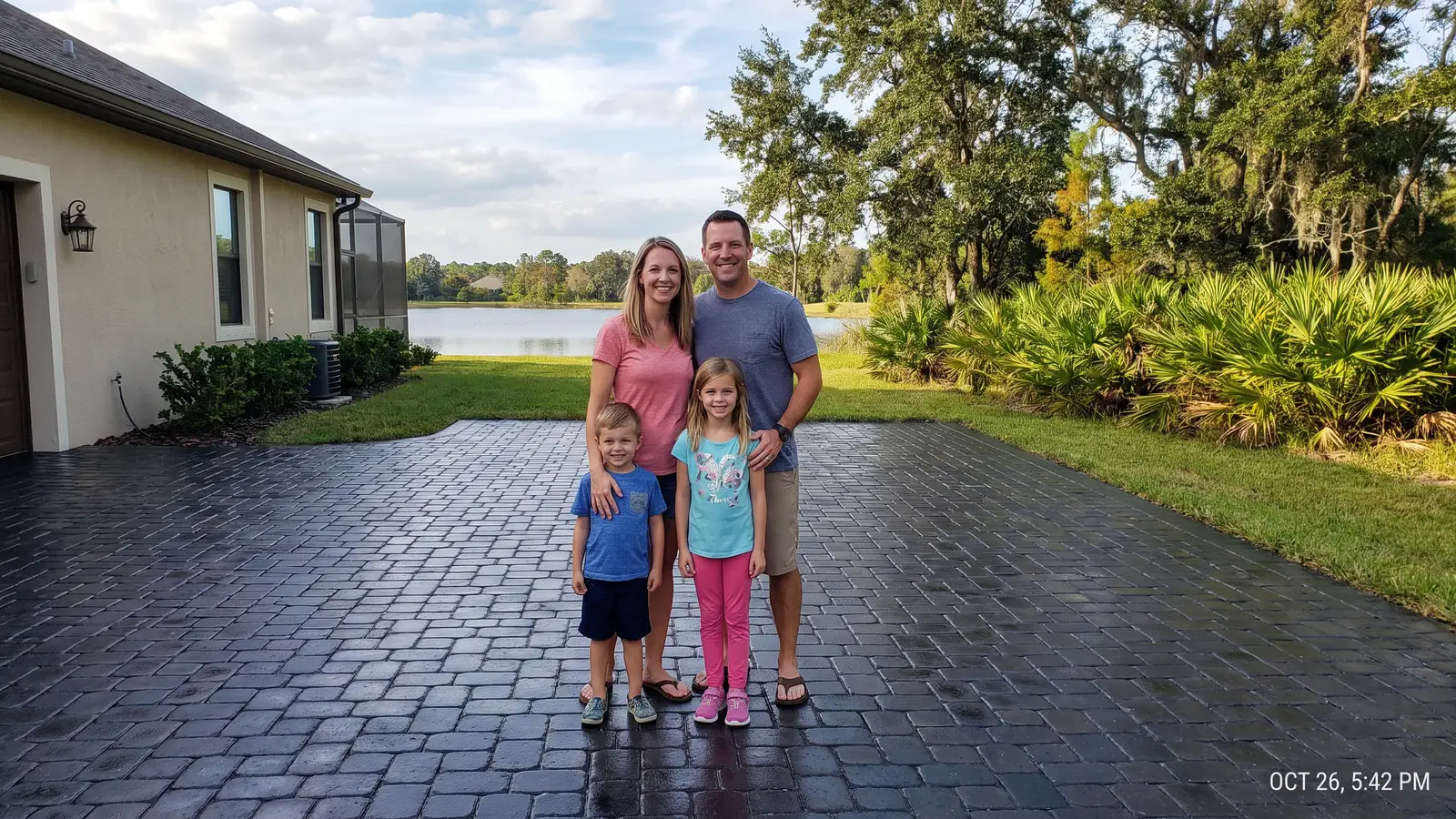
Paver sealing for San Jose homes
Paver Sealing in San Jose, FL
San Jose sits on a tidal estuary, so call (904) 736-4863 for a free look at your pavers.
- Brings out deeper paver color
- Fresh joint sand helps lock pavers in place
- Gives weeds less room to grow
- Makes the surface easier to keep clean
- Free estimate, no obligation
Request a Free Estimate
Free, no obligation.
Fast, careful paver sealing in San Jose
San Jose homeowners can book paver sealing through a free estimate with a local contractor, who prices driveways, courtyards and pool decks. Service covers the old Spanish-named streets near Via de la Reina and the newer blocks toward San Clerc Road. Use (904) 736-4863 to reach a local contractor, who replies within 1 business day, usually much sooner.
Picture a courtyard under a moss-draped oak, the pavers streaked green and the joints thin. A wash, new sand and the right sealer bring back a clean, even color without changing the look of the house. If you would like to ask a question before you decide anything, ask for a free estimate and describe the spot. The estimate carries no obligation.
Why hire a local paver sealing contractor in San Jose?
San Jose has houses from the 1920s beside newer builds, and its pavers sit under old oaks near a tidal river. To hear how that affects a job at your address, ask for a free estimate.
Start with a free look at your pavers
A local contractor looks at your San Jose pavers and gives you a price. The visit is free and you are not obligated to go ahead.
A published range
Northeast Florida companies list $1.75 to $3.25 per square foot to clean, sand and seal. Weigh any San Jose quote against it.
Care for older surfaces
Brick, travertine and older concrete pavers each take sealer differently. Ask the contractor which product suits yours and why, and get it in writing.
A finish that suits the house
Matte keeps pavers quiet beside a Mediterranean front. A wet look is richer but glossier. The choice stays yours.
Get Your Free Estimate in San Jose
Tell us about your pavers in San Jose.
Free, no obligation
What paver problems show up most in San Jose?
A tidal river behind the lot
The St. Johns River at Jacksonville is an estuary with saltier water, and tides and ocean storms have a strong pull on it. The St. Johns River Water Management District says a nor'easter can raise the water several feet. That is worth knowing if your pavers sit low near a seawall. Pavers that river water has reached need a good wash before any sealer goes on. Ask the contractor to look at the low edge of the lot first.
Brick and travertine that drink sealer
San Jose homes include Mediterranean Revival and Spanish Revival styles, and courtyards in those styles often use brick or natural stone. A Jacksonville cost guide says travertine, natural stone and brick are more porous and need different sealer chemistry. It also says white, hazy or flaking sealer from a past job has to be stripped. Name your paver material at the first visit. The wrong product on porous stone can leave a cloudy or patchy finish that is costly to undo. Efflorescence, a chalky white deposit, can also show on new brick or stone and should clear before any sealer goes on.
Green growth under moss-draped oaks
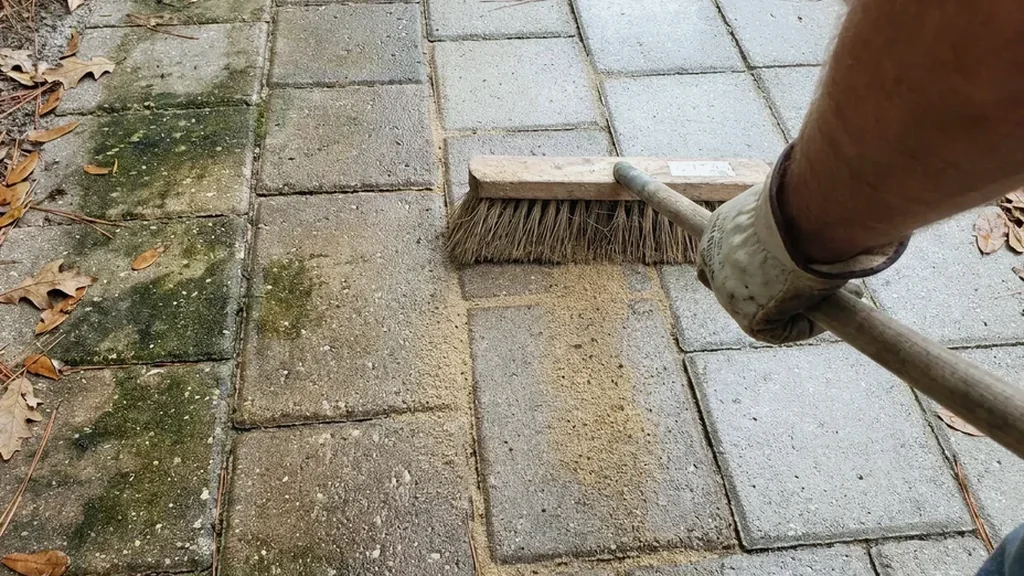
Most San Jose lawns are shaded by large oaks with draping moss, and live oaks can spread 60 to 120 feet. Green algae grows in shaded spots where moisture lingers, such as the north side of a house, under trees and under patio roofs. Florida's humidity keeps it coming back. A courtyard in deep shade is the likeliest place to see it. Washing clears it, and a sealed surface gives it less to hold.
Old driveways with tired bases
San Jose was planned in 1925, and many driveways here have been redone more than once. A home inspection article lists thin base material, missing edge restraints and unfilled joints as common paver flaws. Sealing keeps whatever is underneath, so a low spot stays low. Low and loose spots are reset before the coat goes on. Neighbors who redid their drives can tell you what the base looked like underneath. Nolen's 1925 plan called for paved sidewalks on every street, so paving has been part of San Jose from the start.
Gates and tight courtyards
San Jose includes gated communities, and Epping Forest is one. A Jacksonville cost guide says pavers behind locked gates, up stairs or in tight side yards add prep time. Gear has to be carried in, and a visit may need a gate code. Tell the contractor about access when you ask for a price. A courtyard off a back gate may need extra time to reach with equipment. Epping Forest alone has about 90 homes and 80 condominiums behind its gates.
Do San Jose Estates, Epping Forest and The Villages of San Jose need different sealing plans?
Yes, in a few ways, because they were built in different eras. San Jose Estates was planned in 1925 with 1,911 lots, and its National Register listing covers 21 houses on streets such as Via de la Reina and Ventura Avenue. The city requires a Certificate of Appropriateness for exterior work, driveways included, in local historic districts and on local landmarks. When you ask for a free estimate, ask the contractor to help you check your address.
Epping Forest is a gated community of about 90 homes and 80 condominiums on the former duPont estate at Christopher Point. Gates and shared walkways change how a job is scheduled and who must approve it. Call (904) 736-4863 and mention if your pavers sit behind a gate.
The Villages of San Jose, a 1980s development, holds newer pavers than the 1920s streets near Via de la Reina. Newer pavers may carry a builder's sealer or none. Say which block you live on when you ask for a free estimate.
What does paver sealing cost in San Jose?
A San Jose courtyard is often small but fussy, while a riverfront drive can run long, and both are priced by area. Northeast Florida companies list $1.75 to $3.25 per square foot for the whole job of washing, re-sanding and sealing. Ask for the numbers in writing. To get a price, ask for a free estimate, and the estimate is free.
Brick or travertine, tight access and an old coat that must be stripped can all raise the cost. One company in Jacksonville spends 2 to 3 hours on prep for each hour of sealing. Call (904) 736-4863 and the contractor can tell you which fit your property.
| Paved area | Typical example | Clean, sand and seal |
|---|---|---|
| 300 sq ft | Small patio or walkway | $525 to $975 |
| 600 sq ft | Two car driveway | $1,050 to $1,950 |
| 1,000 sq ft | Large driveway or pool deck | $1,750 to $3,250 |
| 1,500 sq ft | Driveway plus pool deck | $2,625 to $4,875 |
Math based on the $1.75 to $3.25 per square foot that Northeast Florida paver companies publish. Your contractor sets the actual price after seeing the surface. Repairs, leveling and stripping failed sealer are usually extra.
How does a paver sealing job work in San Jose?
Identify the material and the old coat
The contractor starts by learning what your pavers are made of, since brick and travertine need different sealer chemistry than concrete. Any old coat is identified, and dips and loose pavers are noted, because sealing locks in whatever is there. Access through a gate or a tight side yard is planned now.
Wash gently
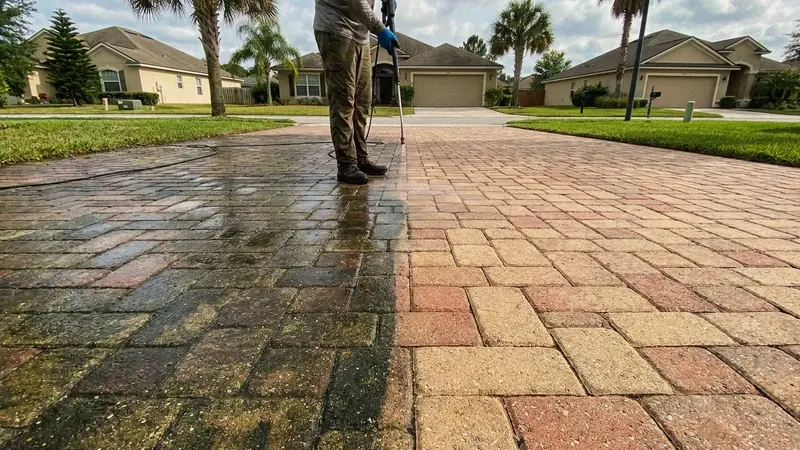
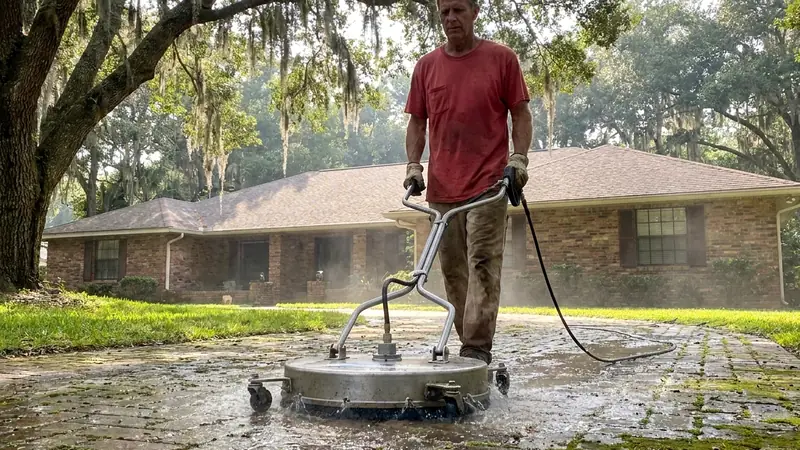
Cleaning removes green growth, leaf marks and tire rubber, with oil and rust pre-treated. Older surfaces get a gentler hand, since harsh washing can loosen joints and wear the paver face. Rinse water stays off painted stucco and out of the pool.
Fill the joints
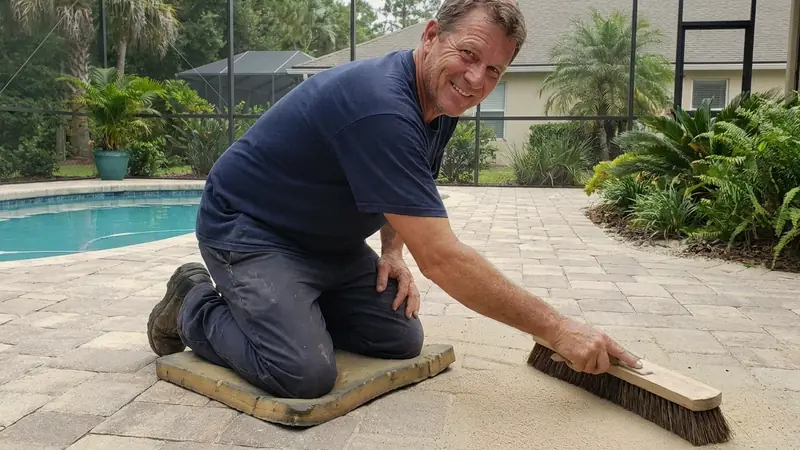
Washing takes sand out, so fresh sand goes in before sealing. Joints left open invite soil and then weeds. Every joint gets filled, and the surface is swept clean afterward.
Wait for a dry surface
Sealer needs a dry surface. Jacksonville's rain is concentrated from May to September, and shaded courtyards under big oaks dry slowest. A careful contractor does not seal right before a forecast downpour.
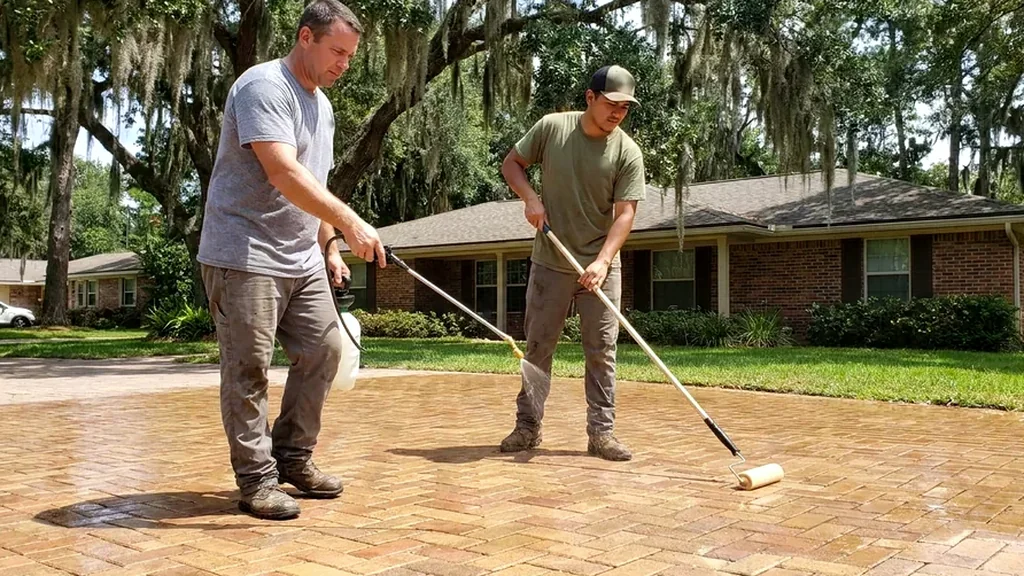
Spray, back-roll and finish
Pros spray sealer for even coverage and then back-roll it into the joints, because rolling alone risks lap marks, says one local company. Matte keeps a natural look and a wet look deepens color. Companies here quote two to five years before a recoat.
Complete paver services in San Jose
A San Jose job moves through four stages: wash, re-sand, dry, seal. The wash clears green growth and leaf marks, new sand fills the joints, and sealer goes on once the surface is dry. That order keeps dirt from being locked under the coat. To ask what each stage involves at your address, call (904) 736-4863.
Driveways take tires and sprinklers, while courtyards take shade and damp. Pool decks take sunscreen and chlorine, and riverfront patios may see tidal weather. Brick and travertine behave differently from concrete pavers. Name your surfaces when you ask for a free estimate.
Sealer is water-based or solvent-based, and an old solvent-based coat means water-based sealer cannot go over it. A local company calls a natural or matte penetrating finish breathable and the safest choice near pools. A wet look is the richer option. Call (904) 736-4863 to talk through the right pick.
Summer in Jacksonville brings short, hard storms, and November through April is drier. Shaded San Jose courtyards can stay damp after a storm, so a date may move. A few dry days ahead is the goal. For a date that fits your week, ask for a free estimate.
Questions to ask before you hire
- Is the washing, joint sand and sealer all in one price?
- How do you protect my shrubs, lawn and pool edge from overspray?
- If a storm rolls in after the job, does the sealer get redone?
- Do you recommend a matte, satin or wet look finish for pavers like mine?
- How many coats of sealer will my driveway get?
- Will the written estimate name the sealer and the square footage?
- My HOA approved a certain look. Can the finish match it?
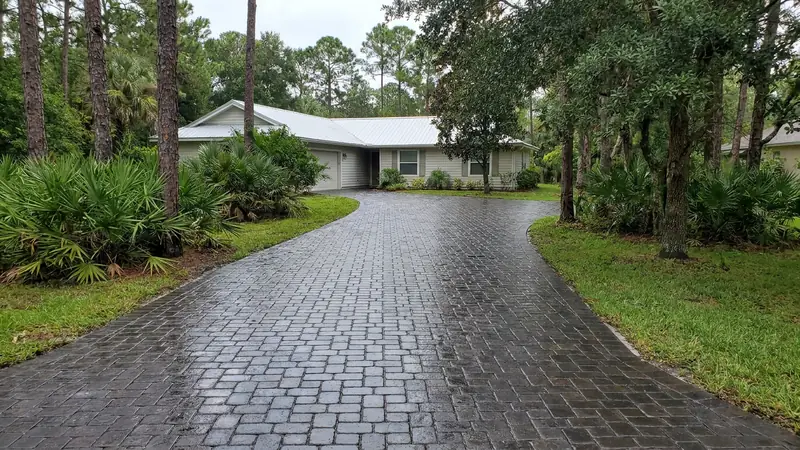
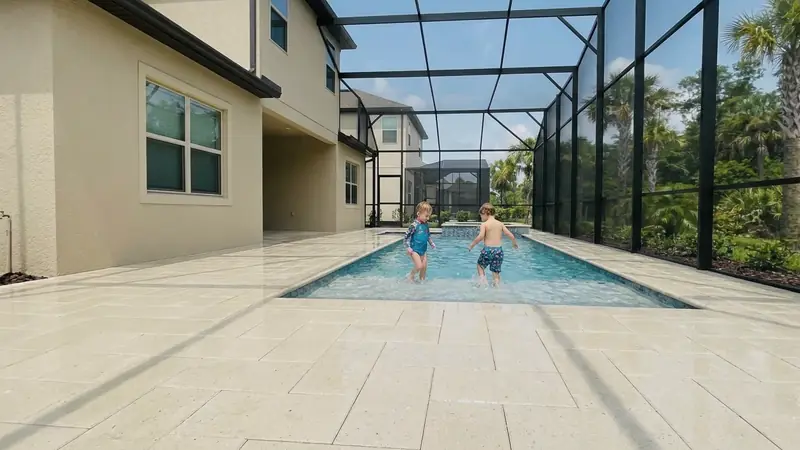
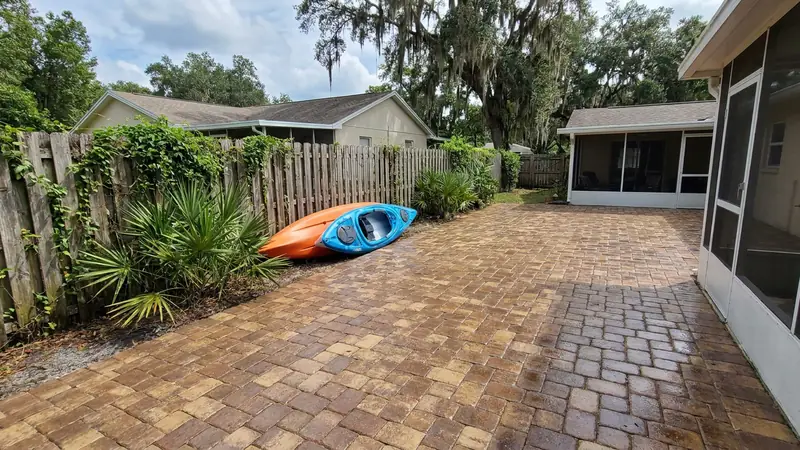
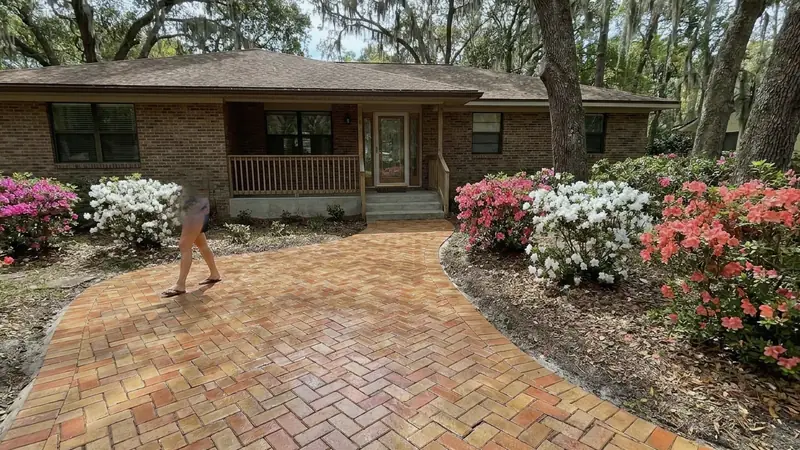
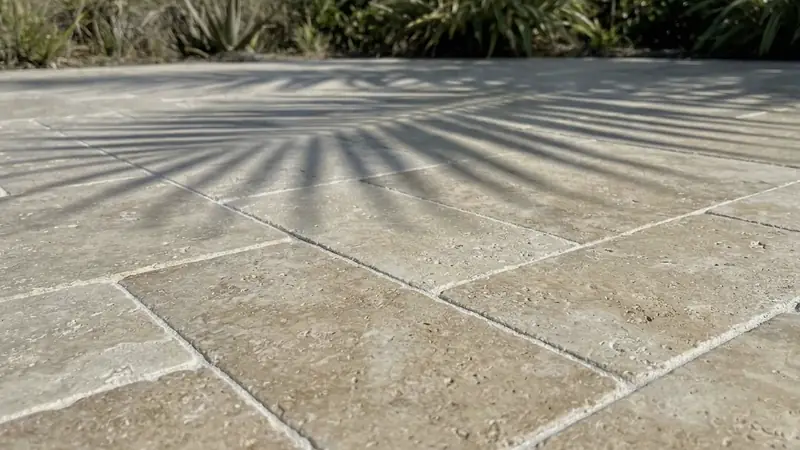
What do sealed pavers look like around San Jose?
Why local matters in San Jose
A contractor who works San Jose knows the neighborhood mixes styles, from 1920s Mediterranean houses to midcentury ranches. That affects what pavers are made of and how they were laid. Someone from across town may not ask. To speak with a contractor who works the San Jose side of the Southside, call (904) 736-4863.
Local work also means knowing the water. The river here is tidal, and Goodbys Creek runs along the south edge of the neighborhood. A contractor who works nearby asks how close your pavers sit to the shore. You can ask for a free estimate and mention any low spot near the water.
Rules matter too. If your home is in a local historic district or is a landmark, the city asks for a Certificate of Appropriateness before exterior work, driveways included. A local contractor knows to ask. If that might apply to you, ask for a free estimate first and ask what the city needs.
What is the story behind San Jose's Spanish street names?
Developer Charles Strickland hired planner John Nolen and golf architect Donald Ross in 1925 to lay out a resort suburb of 1,911 lots. Streets were named for Spanish cities, the plan centered on Plaza del Sanchez, and paved sidewalks were promised on every street. The land boom crashed in 1926, and the company went bankrupt in 1928. If your home is on one of the old Spanish-named streets, ask for a free estimate.
What got built still stands. The San Jose Hotel opened in 1926 and became Bolles Hall at The Bolles School, and the duPont mansion at Epping Forest was finished in 1927. The country club golf course fills the triangle formed by San Jose Boulevard and Via de la Reina. If you live near the hotel, the club or the old estate, call (904) 736-4863 and name your street.
Frequently Asked Questions
How much is paver sealing per square foot in San Jose?
The range companies list in Northeast Florida is $1.75 to $3.25 per square foot for clean, sand and seal. The range covers the wash, new joint sand and the sealer. Brick, travertine and tight access can push a San Jose job higher, so ask for the area and the material in the quote. Ask each company for the same details so the numbers are easy to compare.
Is it good to seal pavers in San Jose?
Most of the time, yes. Sealer holds joint sand in place and gives algae and stains less to grip, which helps under shady oaks. A fresh coat is needed every few years, and the finish you pick changes how fast scuffs show. On porous brick or travertine, the right sealer matters even more.
How often should a San Jose driveway be resealed?
Local quotes land between two and five years for each coat. A shaded courtyard and a sunny riverfront drive age differently, so check both. If water soaks in instead of beading, a fresh coat is due. Pool chemistry and sun can shorten the span, so ask about your deck.
Is it better to spray or roll paver sealer in San Jose?
Pros do both, says one local company. Spraying gets even coverage, and back-rolling works the sealer into the joints and prevents puddling. Roll alone and you can get lap marks; spray alone and textured pavers can end up over-coated. The method is as important as the product, so ask how your pavers would be done. Either way, the pavers should be dry and clean before the first coat.
What sealer is right for pavers in San Jose?
The answer turns on the paver material and whatever coat is already down. Water-based sealer cannot go over solvent-based sealer, and brick or travertine needs different chemistry than concrete. Most Jacksonville pool decks get a penetrating sealer for grip. The contractor should name the product before work starts. Ask to see the product name and data sheet before the work starts. For travertine, ask whether the product is meant for natural stone.
Can travertine or brick pavers in San Jose be sealed?
Yes, but they are more porous and need different sealer chemistry. A Jacksonville cost guide says efflorescence, a chalky white deposit, can appear and that hazy or flaking sealer from a past job must be stripped. Tell the contractor your material at the estimate. The contractor may try a test spot in a corner first.
Do I need city approval to seal pavers in San Jose Estates?
It depends on your address. Jacksonville requires a Certificate of Appropriateness for exterior work in local historic districts and on local landmarks, and it names driveways as an example. Check the city's Land Development Map and ask city staff before work begins.
Does a gated San Jose community change how pavers are sealed?
It changes the logistics. A Jacksonville cost guide says pavers behind locked gates add prep time, since gear must be carried in. Ask your association about contractor access and any approval needed before the visit. Confirm the details with your manager before the estimate visit.
Can a San Jose courtyard be sealed without changing how it looks?
Usually, yes. A natural or matte penetrating finish keeps the look, and a local company calls it breathable and the safest choice near pools. Color-enhancing products change the look, so ask to see the finish on a sample before you choose.
Do tidal river lots in San Jose need special care?
They deserve a look. The St. Johns River here is an estuary with strong tides, and a nor'easter can raise the water several feet. If river water has reached your pavers, they need a good wash before sealing. The contractor can also check how well the lot drains toward the water.
Will sealing fix a sunken paver in my San Jose driveway?
No, sunken or lifted pavers must be reset first. A company in Jacksonville says a seal preserves whatever lies beneath it, dips included. A home inspection article lists thin base material and missing edge restraints as common causes, so older San Jose drives are worth a check.
Does shade under San Jose oaks change how often pavers need sealing?
It can. Green algae grows where shade and moisture meet, and Florida's humidity keeps it coming back. A courtyard under a big oak may need attention sooner than a sunny drive.
Nearby areas we serve
Ready for a Free Estimate in San Jose?
Call (904) 736-4863 and tell us about your pavers.
Free, no obligation